The Bedtime Scroll Trap: Why You Can't Stop and What Finally Worked
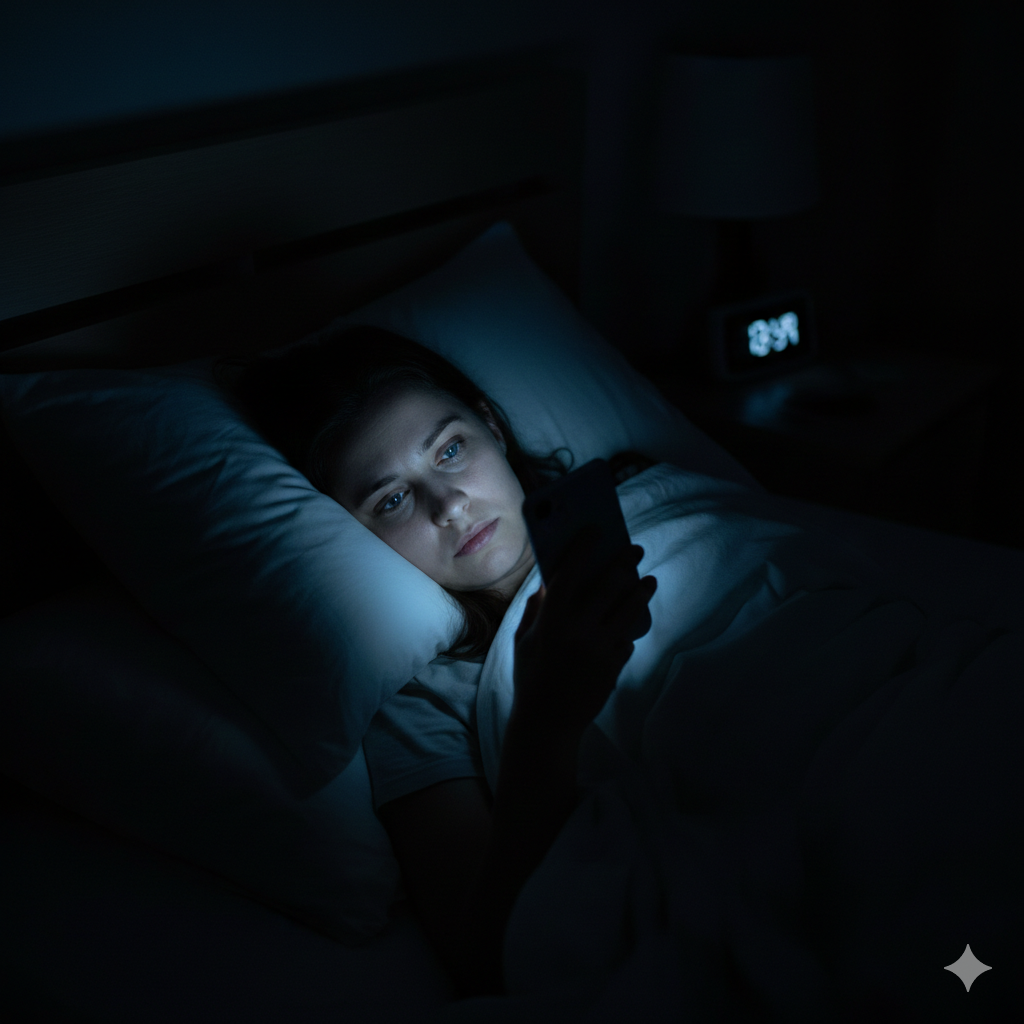
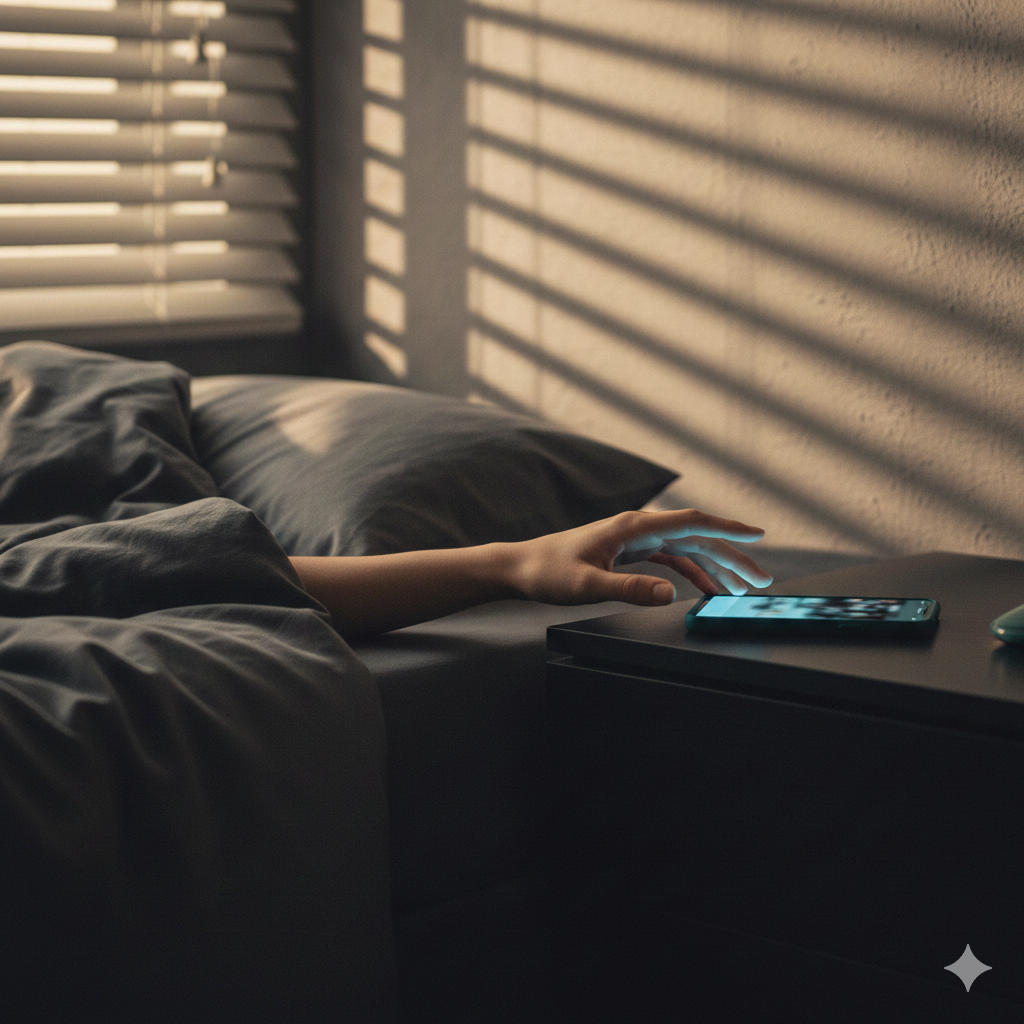
It's 11:47 PM. You told yourself you'd be asleep by 11. You're still scrolling.
You're not even enjoying it anymore. The content blurs together—another video, another thread, another refresh. You're tired. Your eyes hurt. Tomorrow is going to be difficult.
You keep scrolling anyway.
I did this for years. Not occasionally—almost every night. I knew it was hurting my sleep. I knew my focus suffered the next day. I kept doing it anyway, and I couldn't explain why.
That inability to explain it was the most frustrating part.
The "One More" Loop
Here's what my evenings looked like: around 10 PM, I'd think "I should wind down soon." By 10:30, I was in bed—but with my phone. "Just checking a few things before sleep."
Then the loop started.
One more video. One more scroll. One more thread. Each one taking 30 seconds to 3 minutes. Each one feeling like nothing. But 30 of those "nothing" moments added up to 90 minutes, and suddenly it was midnight.
The strange part was that I never decided to stay up late. I never thought "I'm going to scroll for 90 minutes." Each individual moment felt like a tiny, inconsequential choice. But tiny choices compound.
I wasn't choosing to sacrifice sleep. I was failing to choose to stop.
Why Willpower Fails at 11 PM
I tried the obvious solutions. I told myself I'd stop at 10:30. I set a bedtime alarm. I put my phone across the room.
None of it worked, and I eventually understood why: willpower is a depletable resource, and by 11 PM, mine was gone.
Think about what your brain has done by late evening. Twelve or more hours of decisions—what to wear, what to eat, how to respond to emails, how to handle that difficult conversation, whether to have the second coffee. Each decision, however small, draws from the same pool.
By nighttime, that pool is nearly empty. And that's exactly when you're asking yourself to resist the most immediately rewarding thing in your environment—the infinite scroll.
This is why "just stop scrolling" is such useless advice. It assumes you have the same self-control at 11 PM that you had at 11 AM. You don't. Nobody does.
A Failure That Taught Me Something
For a while, I tried what I thought was a clever workaround: I'd delete social media apps every night and reinstall them in the morning.
The first week, it worked. The friction of reinstalling was enough to break the automatic behavior. I felt smug about my solution.
By week two, I had the App Store password memorized. The reinstall took 45 seconds. The friction had become routine.
By week three, I was scrolling on mobile web browsers instead. Same content, slightly worse interface. Same result.
What this failure revealed: the apps weren't the core problem. The core problem was that my late-night brain couldn't be trusted to make decisions in my own interest. Every workaround that relied on in-the-moment choice eventually failed, because late-night me would find a way around it.
I needed a system that didn't ask tired-me to decide anything.
What the Research Actually Says (Without the Jargon)
I've read the studies about blue light and melatonin. They're real, but they're not the main issue. The phone's light isn't what keeps you scrolling—it's the variable reward pattern of the content itself.
Here's what I found more useful to understand:
Your brain can't distinguish "almost done" from "not done." Every scroll might reveal something interesting. That uncertainty keeps the dopamine system engaged. This is the same mechanism that makes slot machines addictive, and it's been optimized by billions of dollars of engineering.
Fatigue doesn't reduce craving—it reduces resistance. When you're tired, the executive function that says "this isn't worth it" gets quieter. The impulse to scroll doesn't get weaker; your ability to override it does. This is why the scroll sessions get longer the more tired you are.
Sleep debt compounds focus problems. One hour less sleep reduces next-day cognitive performance by roughly 20-25%. Do that three nights in a row, and you're operating at a significant deficit. But the deficit doesn't feel like impairment—it feels normal. You acclimate to diminished capacity without realizing it.
The Insight That Changed Things
After enough failures, I stopped trying to out-willpower the problem and started asking a different question: When am I actually capable of making the decision to stop scrolling?
Not at 11 PM—that was clear. Not at 10:30 either, apparently.
The answer was earlier. Much earlier. At 7 PM, when I still had cognitive resources left, I could easily decide that scrolling after 10 PM was a bad idea. The problem was that 7 PM decisions didn't bind 11 PM behavior.
So I made them binding.
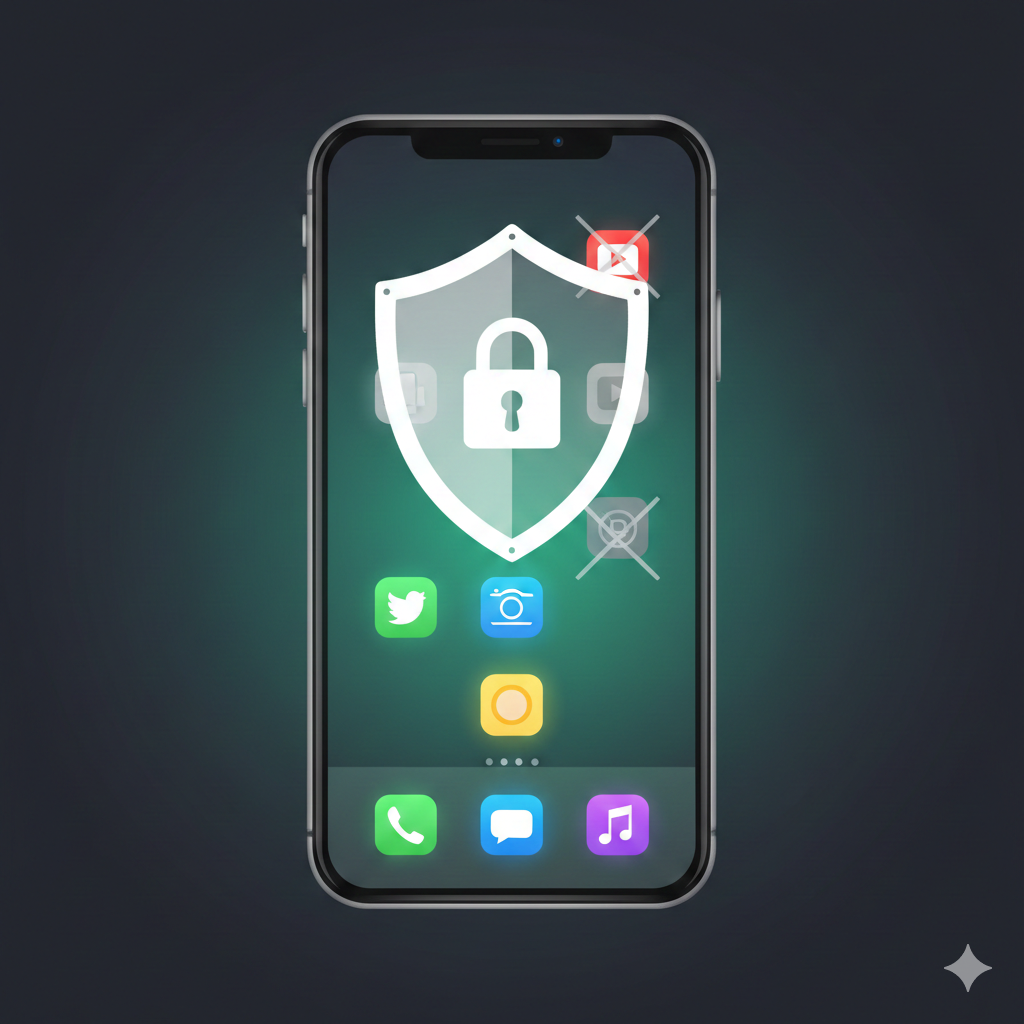
I started setting what I call a "wind down" alarm for 9:45 PM. When it fires, it's not just a reminder—it actually blocks the apps that keep me in the scroll loop. Not for the whole night, just for an hour. Long enough to break the pattern and let actual tiredness take over.
The first night, I reached for Instagram around 10:15. It wasn't there. I felt a brief flare of irritation, then... nothing. No decision to make. The option simply didn't exist.
I was asleep by 10:40.
I stopped asking tired-me to make good decisions. Instead, I let rested-me make the decision in advance, at a time when I actually had the capacity to choose well.
It's Not About Discipline—It's About Timing
This part was hard to accept because it felt like admitting weakness. I couldn't just "decide" to stop scrolling. I needed a system.
But here's what I eventually realized: needing a system isn't weakness. It's recognizing that willpower is contextual. The same person who easily resists temptation at 9 AM can be helpless against it at 11 PM. That's not a character flaw—that's how human cognition works.
The people who seem to have great "discipline" around sleep often just have systems they don't think about. Maybe they never brought their phone into the bedroom in the first place. Maybe their phone dies every evening. Maybe their partner enforces a bedtime. The discipline is in the system, not the moment-to-moment choices.
I built my own system. It's not elegant. It's just an alarm that blocks apps at a time I'm still capable of agreeing that blocking apps is a good idea.
Something You Can Try Tonight
Before 8 PM tonight—while you still have decision-making capacity—choose a wind-down time. Pick something 45 minutes before your target bedtime.
When that time arrives, put your phone somewhere you can't reach from bed. Not another room (that's probably too ambitious for night one). Just somewhere that requires getting up.
Don't commit to keeping it there all night. Just see what happens when the automatic reach finds nothing.
Most people discover something surprising: the urge to scroll is intense for about 5-10 minutes, then fades. The phone feels urgent until it's unavailable, then the urgency dissolves. Your brain expects stimulation, doesn't get it, and eventually redirects toward sleep.
You probably won't fall asleep immediately. You might lie there feeling restless. That's normal. The restlessness is what scrolling was numbing you from feeling. It passes.
The Compounding Effect
Here's what I didn't expect: fixing the bedtime scroll fixed other things too.
Better sleep meant better focus the next morning. Better morning focus meant I got more done, which meant less stress in the evening. Less evening stress meant less urge to numb with scrolling. The loop started running in reverse.
I'm not claiming I never scroll before bed anymore. I do, sometimes. But the default changed. Instead of scrolling being the automatic behavior that required willpower to stop, not-scrolling became the default that required active choice to override.
That inversion took about six weeks to stabilize. Some nights were harder than others. But the trend was clear, and the daytime benefits made the nighttime discomfort worth it.
What This Isn't
I'm not claiming this works for everyone. If you have insomnia or other sleep disorders, the problem is more complex than bedtime scrolling, and you should talk to someone qualified.
I'm also not claiming the phone is the only issue. Plenty of people sleep poorly for reasons that have nothing to do with screens. This is about one specific pattern—the "can't stop scrolling" trap—not a universal sleep solution.
And I'm not suggesting you need an app to solve this. Putting your phone in another room might work for you. A dumb alarm clock might be enough. The specific tool matters less than the principle: make the decision when you're capable of making it well, and make it binding.
The Hard Truth
Here's what I had to accept: my 11 PM self was not looking out for my 7 AM self. Tired-me would happily sacrifice tomorrow's focus for fifteen more minutes of scrolling tonight. Tired-me couldn't see past the next video.
The solution wasn't to become a more disciplined person. The solution was to stop putting tired-me in charge of decisions that affected rested-me.
Wind down isn't about forcing yourself to sleep. It's about removing the thing that keeps you from wanting to.
This reflects personal experience, not medical advice. If you're dealing with persistent sleep problems, talk to a healthcare provider—not a blog post.
Ready to rebuild your focus?
Start your 14-day free trial of FocusFit and train your attention with AI-powered coaching.
Download FocusFit